The dance
A walk, an embrace,
and a hundred years of nights.
Argentine tango is an improvised partner dance: close embrace, a shared walk, and a social protocol a century old that still works better than any feed.
The Origins of Tango
Born at the edge of the port, danced by the whole world.
Argentine Tango emerged in the late 19th century in the working-class neighborhoods of Buenos Aires and Montevideo. Born from a melting pot of European immigrants, African rhythms, and local traditions, tango became a powerful expression of urban life, longing, and passion.
What began in the streets and dance halls of La Boca and San Telmo evolved into a sophisticated art form that captivated the world. By the 1920s, tango had spread to Paris and beyond, becoming a global phenomenon that continues to enchant dancers today.
The Dance
Tango is an improvised partner dance characterized by close embrace, intricate footwork, and profound connection between dancers. Unlike choreographed ballroom dances, tango is a conversation between partners—a musical dialogue expressed through movement.
Where the conversation starts.
The connection between partners, ranging from close embrace to open position, creates the foundation for communication and musicality.
Everything is in the caminata.
The caminata is tango's fundamental element—a simple walk that embodies the dance's essence: connection, intention, and musicality.
Improvised, never rehearsed.
Leaders and followers create unique dances in the moment, interpreting music together without predetermined choreography.
The Social Experience: Milongas
A hundred years of consent first, no broadcast.
A milonga is a social dance event where tango is danced. These gatherings follow traditional codes and customs that create a respectful, welcoming environment for dancers of all levels.
Those codes are the reason this site works the way it does: you are never pushed at anyone, nothing you do is scored, and an invitation is a look, not a broadcast.
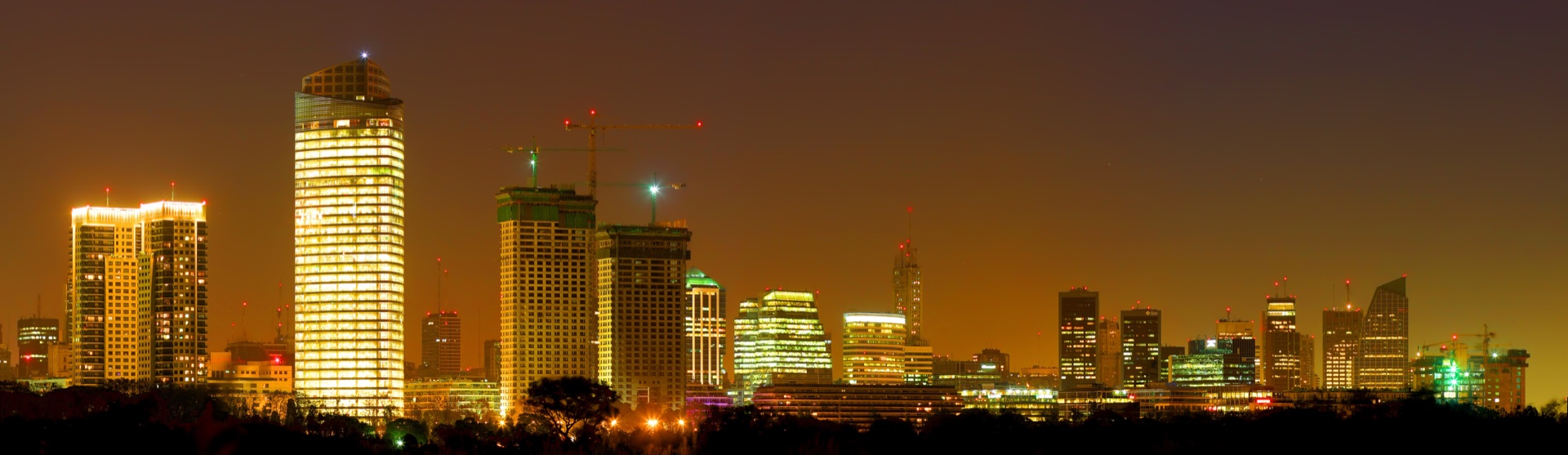 Buenos Aires · where it started